Below you can find a variety of games I have designed, including games developed for clients, funded games-based research projects, and personal game projects.
Clients
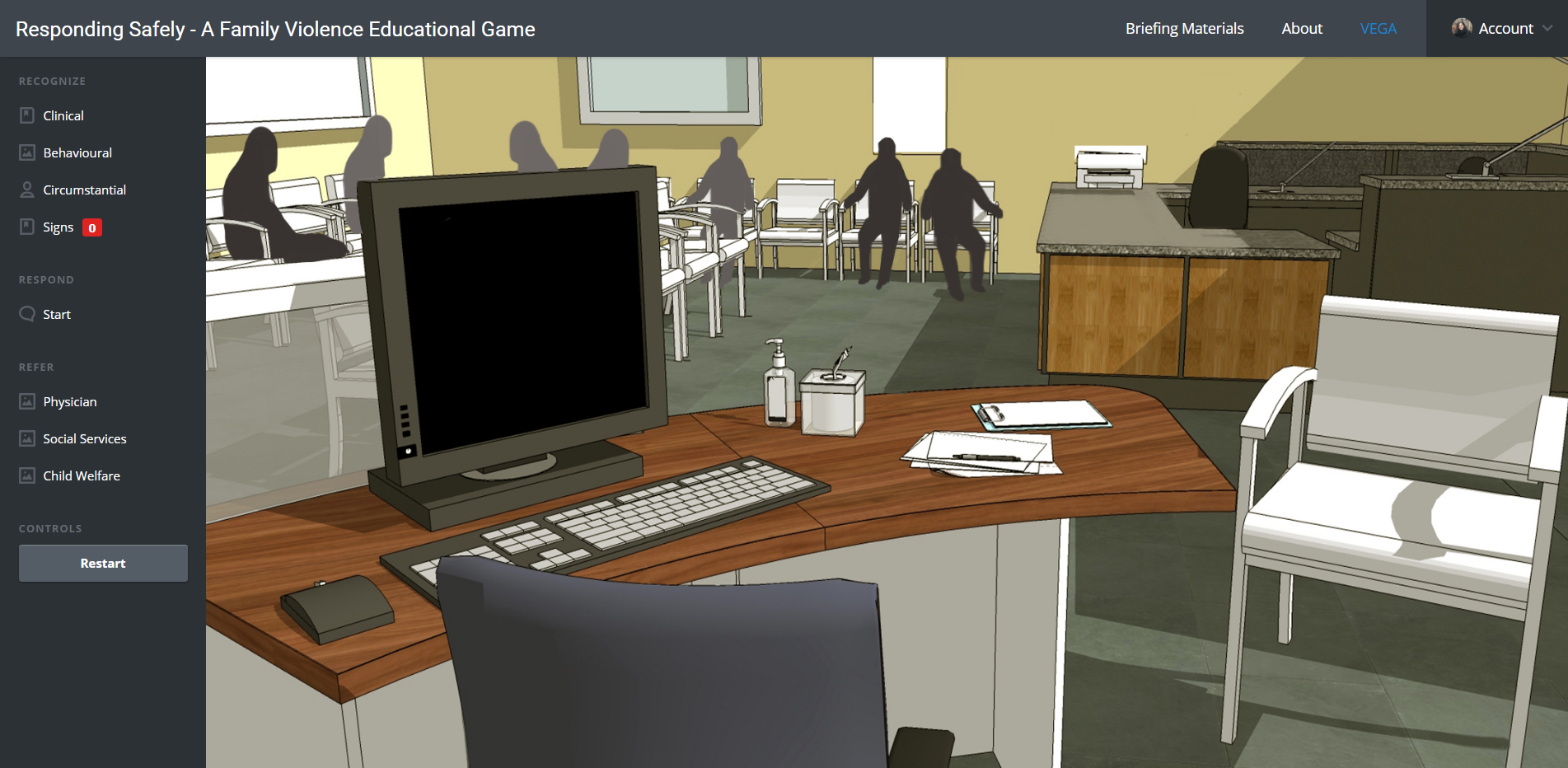
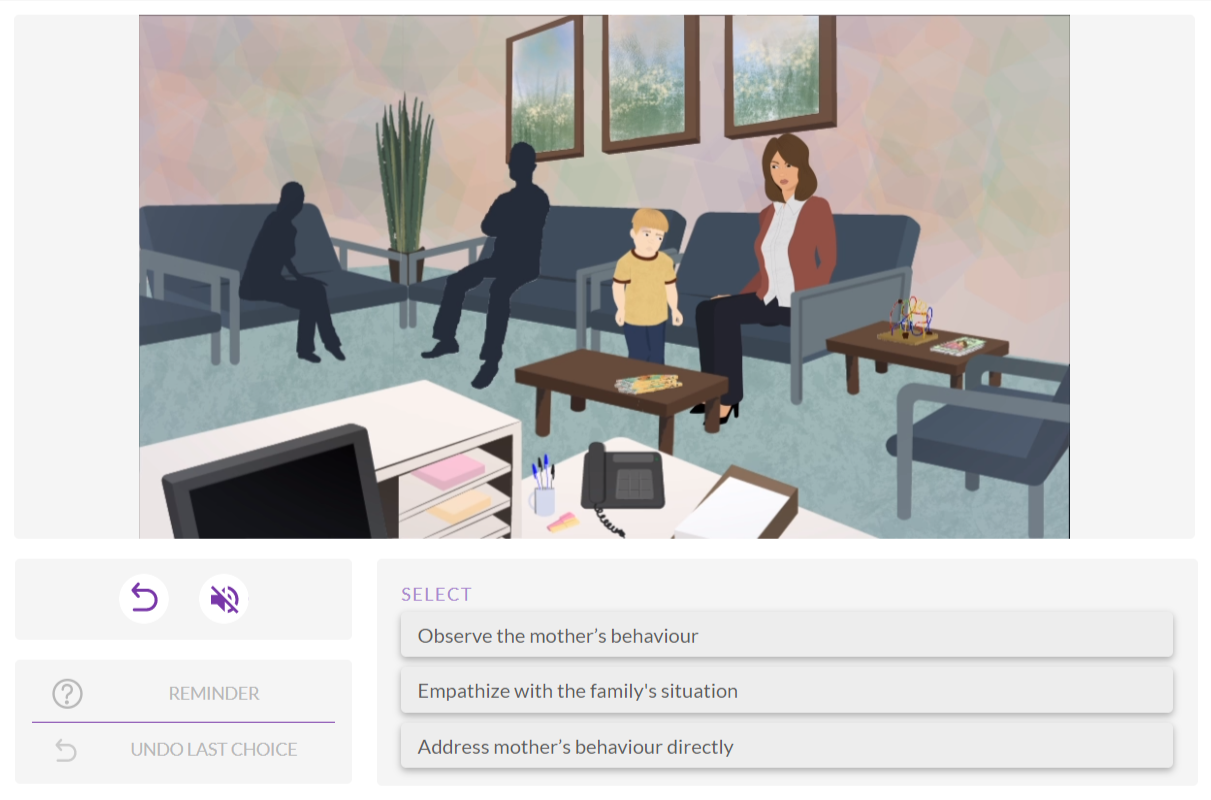
In collaboration with researchers and practitioners at VEGA (Violence, Evidence, Guidance, Action)—a family-violence research project funded by the Public Health Agency of Canada—I designed two learning modules based on responding to family violence. This project unfolded over a three year period, involving research into family violence, consultations with healthcare providers, and playtesting with stakeholders. The game adopted the ‘Recognize, Respond, and Refer’ model to guide learners through the steps of addressing family violence in clinical environments. The interface allows learners to research signs of family violence, recognize them in a simulated clinical environment, and try various methods for responding safely.
Both modules were then developed by Stitch Media for VEGA and are incorporated into the continuing education programs for both the College of Family Physicians of Canada and the Royal College of Physicians and Surgeons of Canada.
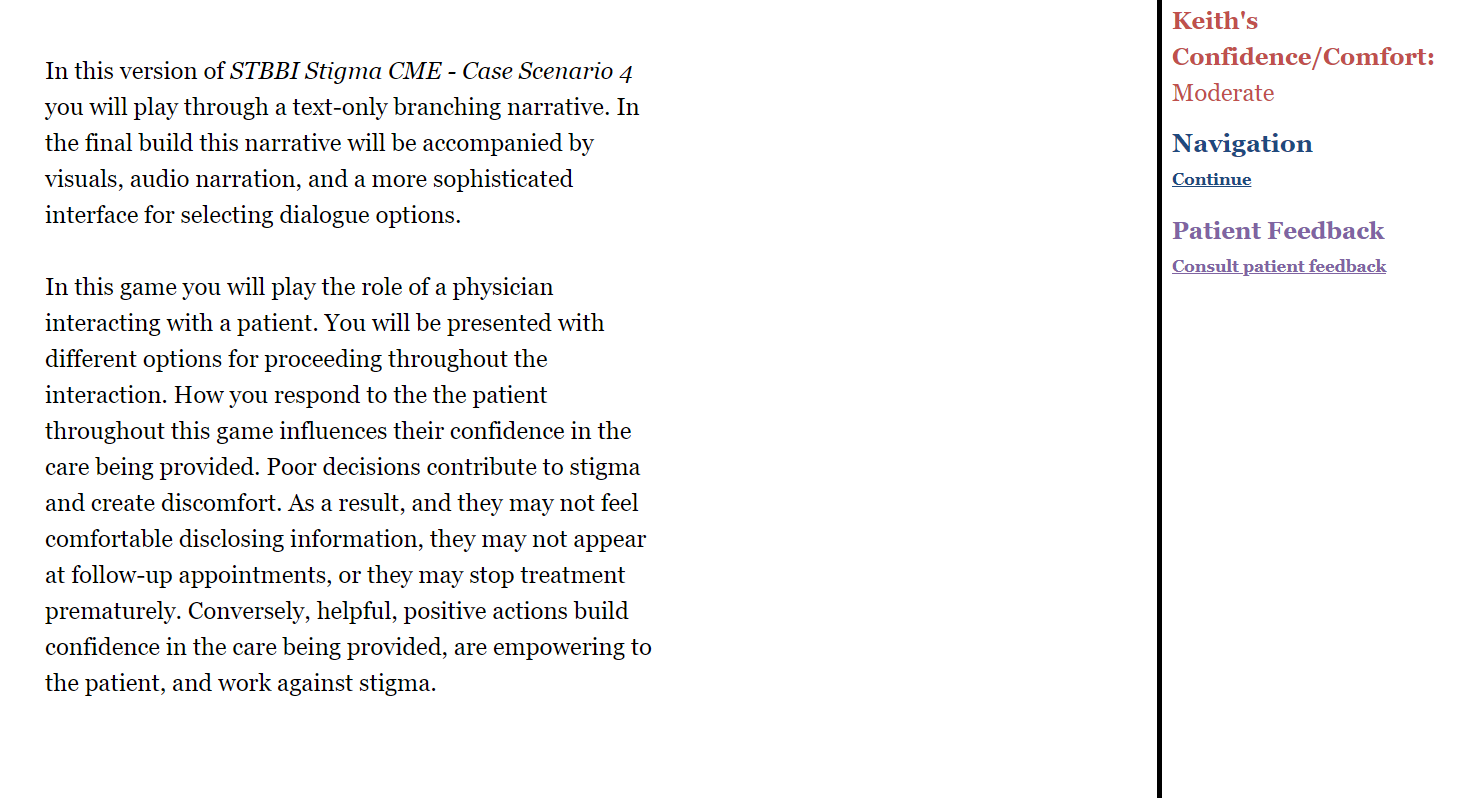
Working with public health experts at the Canadian Public Health Association, I designed two modules addressing biases in sexual healthcare, including discrimination in terms of gender, race, sexual orientation, and substance use. These modules iterated upon the VEGA interface, further integrating the player’s active engagement with the materials into the options and outcomes of the game.
As with the VEGA Project, these modules were then developed by Stitch Media. They are available as part of the CPHA’s online training materials for healthcare providers.
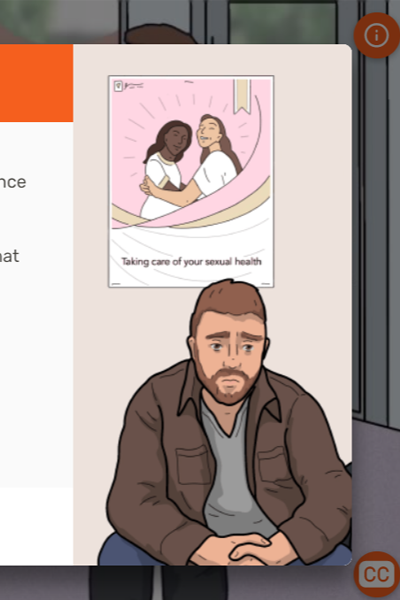
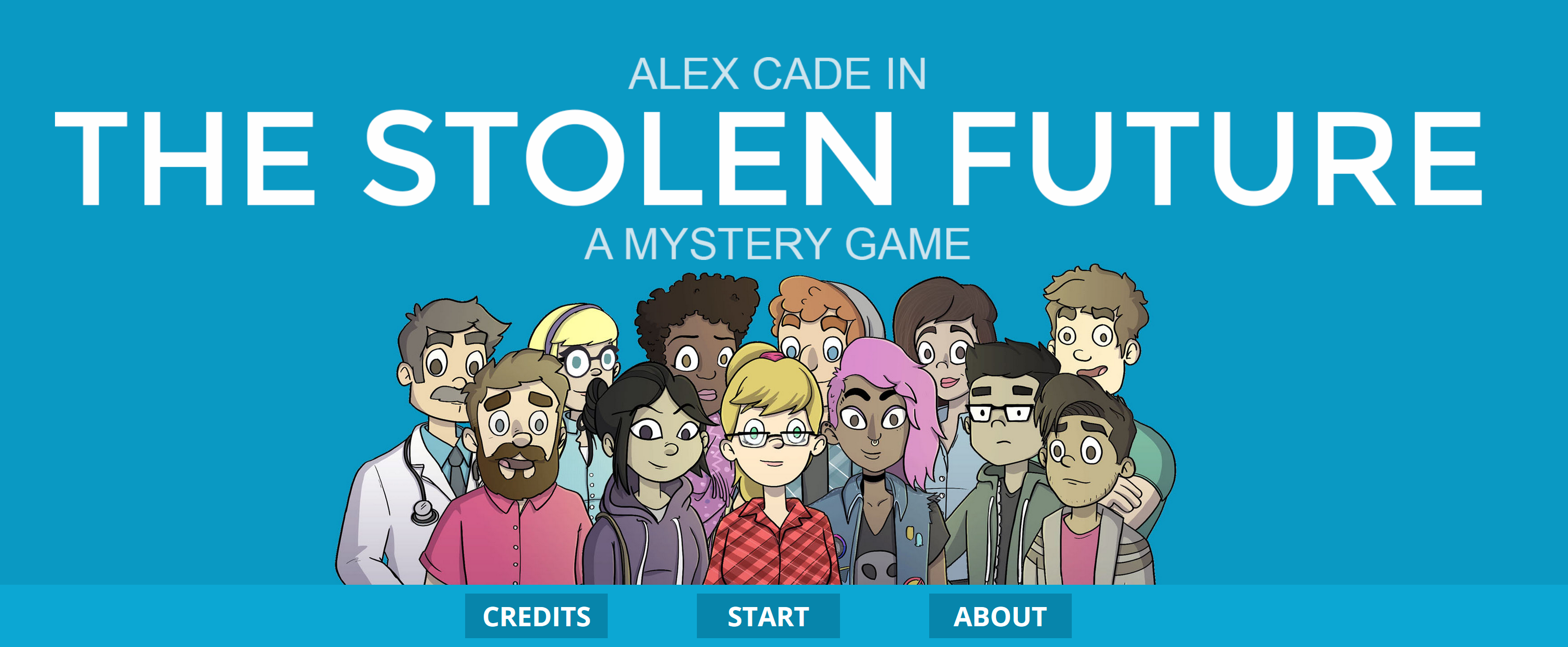
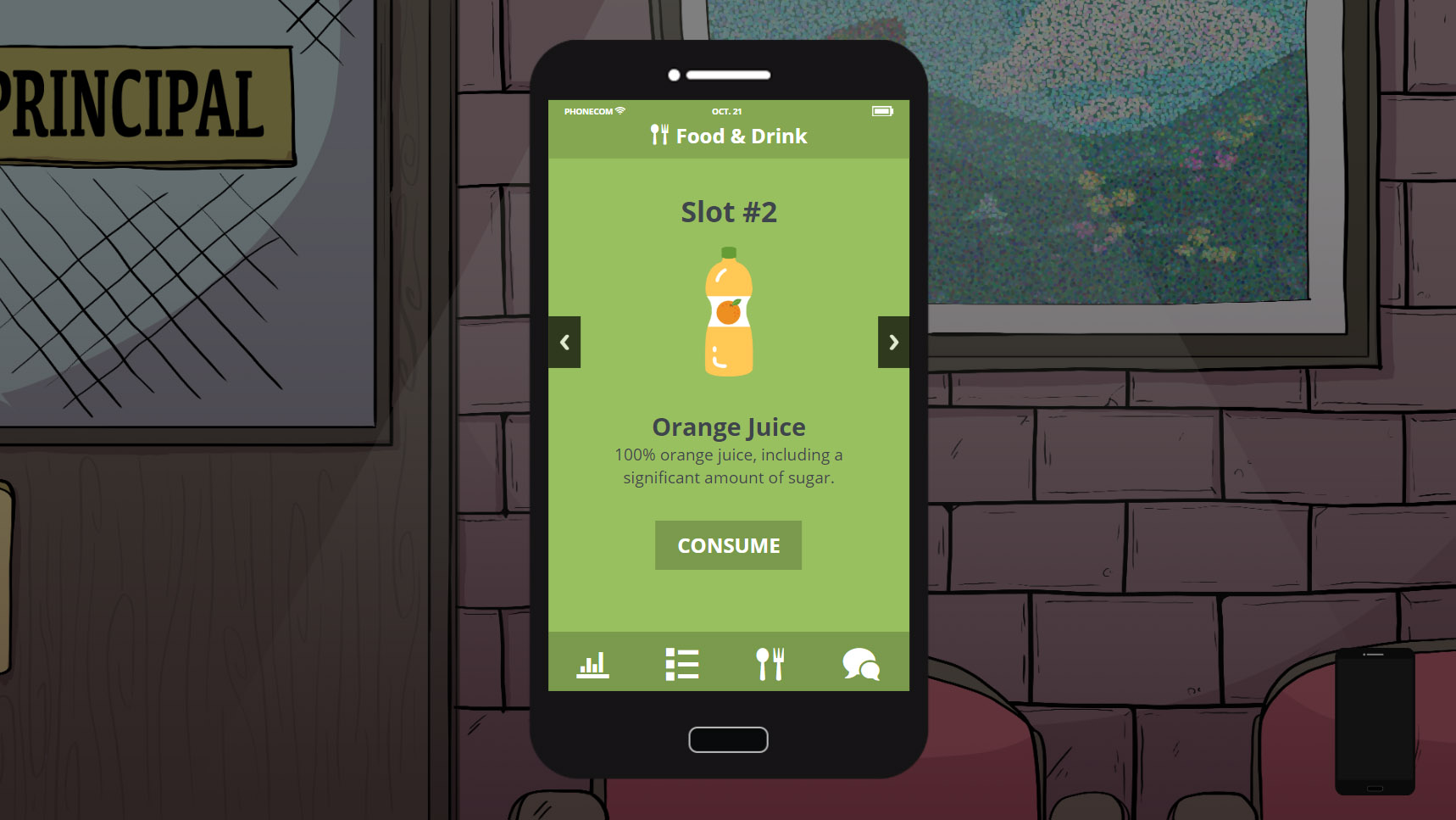
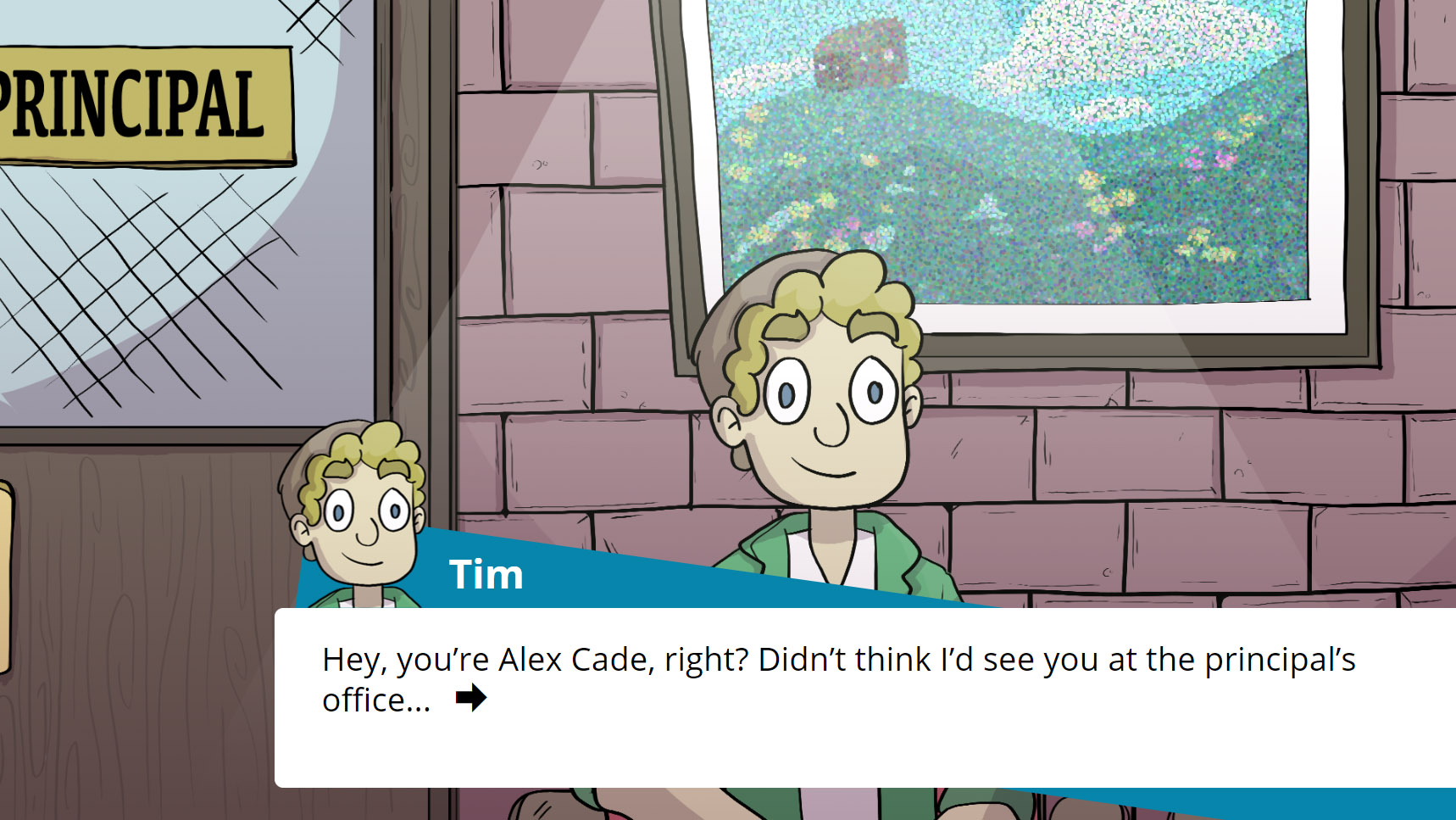
This project brought together child psychologists, diabetes researchers, and experts from SickKids (The Hospital for Sick Children) to develop a game that eases the transition from collaborative, familial management of diabetes to independent management. The vision here was to tell an intriguing detective story of a young adult, Alex Cade, who leaves home to attend post-secondary school. Rather than a didactic approach that focused exclusively on diabetes management (and thus risk reducing a multifaceted character to their medical status), players need to solve the underlying mystery while successfully monitoring their blood sugars, balancing their dietary decisions, and reacting to challenging situations for young, independent diabetics.
While the project is currently on hiatus, an advanced prototype has been developed with artwork from graphic designer and artist Keith Mclean.
Funded Games-based Research
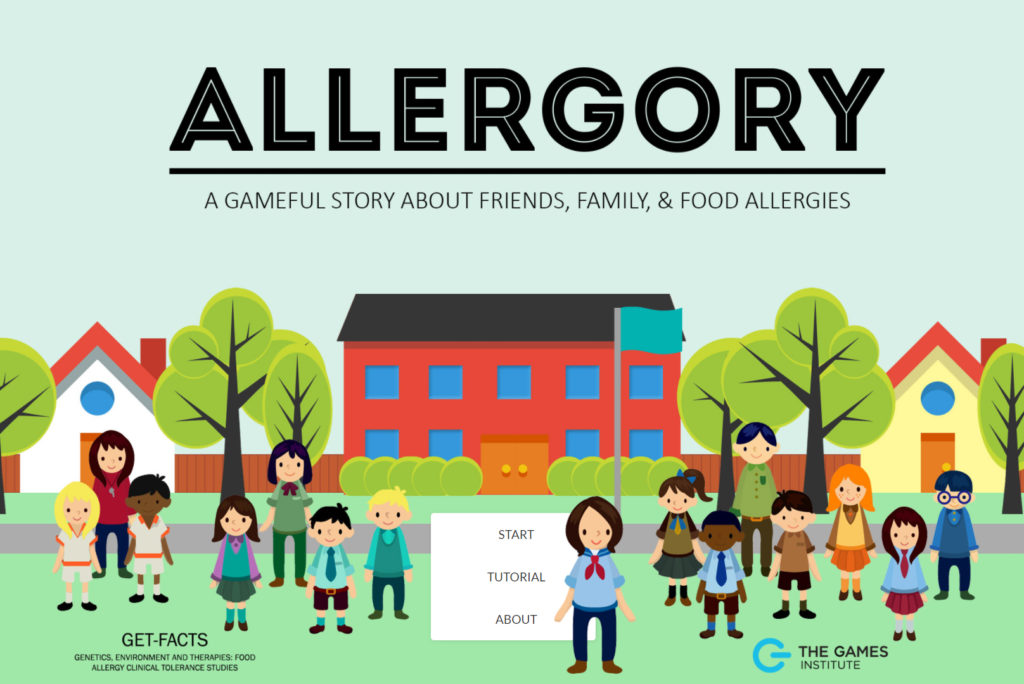
Allergory is a web-based game that provides insight into the social, cultural, and emotional experience of life with a serious food allergy. The game served as a portion of my dissertation as it relates to my research on using multimodal media to translate knowledges between audiences. The game was a collaboration between myself and researchers at GET-FACTS (Genetics, Environment and Therapies: Food Allergy Clinical Tolerance Studies). GET-FACTS is a Canadian Institutes of Health Research-funded knowledge mobilization initiative that raises awareness of food allergies in Canada. [Link]
Through this SSHRC Connection grant with the Canadian Public Health Agency, a print-and-play game was designed and developed with a team of students from the game design. Players learn about biases that inhibit access to sexual health services due to gender, race, sexual orientation, class, and lifestyle. The game is intended to generate dialogue about solutions for destigmatizing sexual health amongst healthcare providers.

As a co-applicant on this Insight Grant ($150,000) I led a team of students as we designed an online game for crowdsourcing rhetorical figures. The goal of the project as a whole was to create a database of rhetorical figures for machine learning purposes. The game used a narrative mystery of an unknown civilization trying to communicate with us by learning through our patterns of communication (i.e. rhetorical figuration). Puzzles and an emergent narrative encouraged players to continue participating in the game, while also building up the database of figures.
Personal Projects
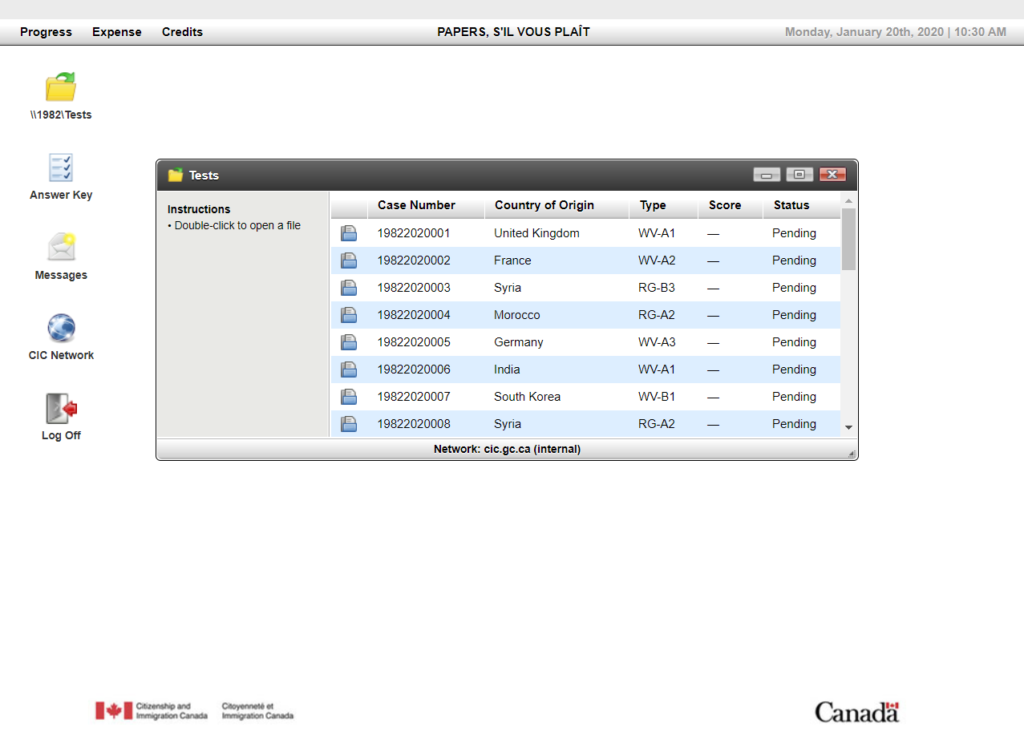
Created for #ResistJam, Papers, s’il vous plaît addresses immigration, discrimination, and cultural values in Canada. The game takes place during a hypothetical 2019 federal election where the winning party successfully ran on a populist platform. As an employee of Citizenship and Immigration Canada you are tasked with grading the newly implemented Canadian Values tests—an additional screening measure imposed by the new administration to evaluate the ‘values’ of prospective immigrants. Players never see the would-be Canadians whose lives they are shaping; instead they encounter only the impersonal bureaucracy of paperwork and answer keys, all the while those ‘values’ they are tasked with evaluating seem to shift and change to suit some larger agenda. [Link]
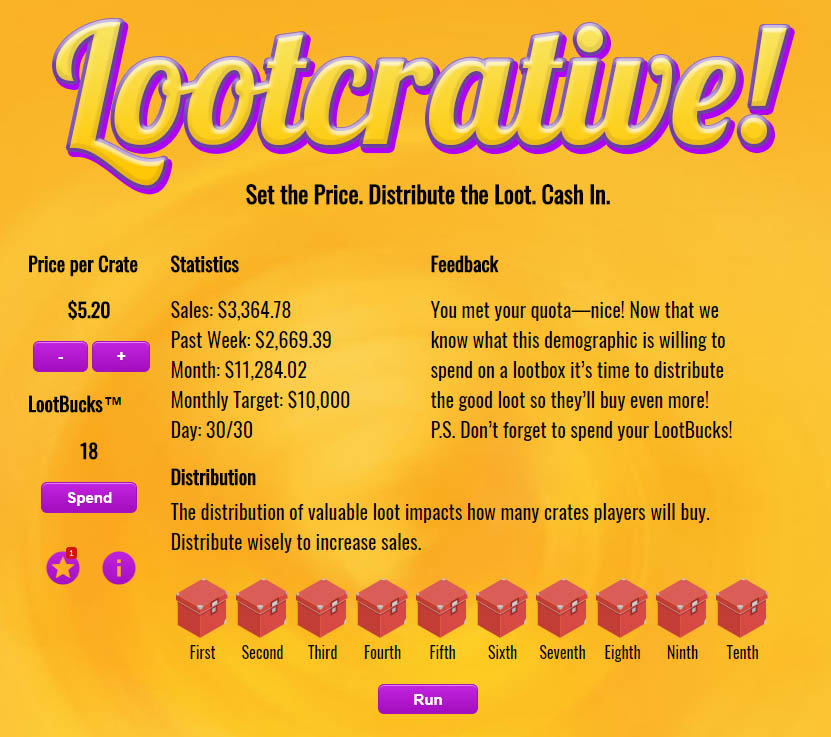
‘Didn’t get the loot you wanted? Better luck next time!’ In Lootcrative! players distribute good and mediocre ‘loot’ into videogame lootboxes, trying to find the right ratio to drive up sales and increase revenues. The game demonstrates Skinner’s variable ratio, a means of distributing rewards in a planned but unpredictable manner that can reduce inhibitions and in the case of lootboxes, increase sales. In true lootbox fashion, players of Lootcrative! earn LootBucks that they can then spend on their own lootboxes.
This web-based game was inspired by Edgar Allan Poe’s The Purloined Letter in which the titular letter was ‘hidden’ in plain sight on the thief’s desk or bureau. Taking up this idea in a twenty-first century context, I created a mock-up the desk of a Federal Bureau of Investigation agent. From a top-down perspective players had access to a tablet and a cell phone. Over the course of 8 weeks events regarding a murder-mystery populated the devices in real-time. The official investigation unfolded on the tablet where players studied evidence, read emails, and used a command console to access other networks. On the cell phone events regarding the main character’s personal life unfolded concurrently. The result was a unique narrative that made use of the affordances of digital media to tell an old story in a new way.